
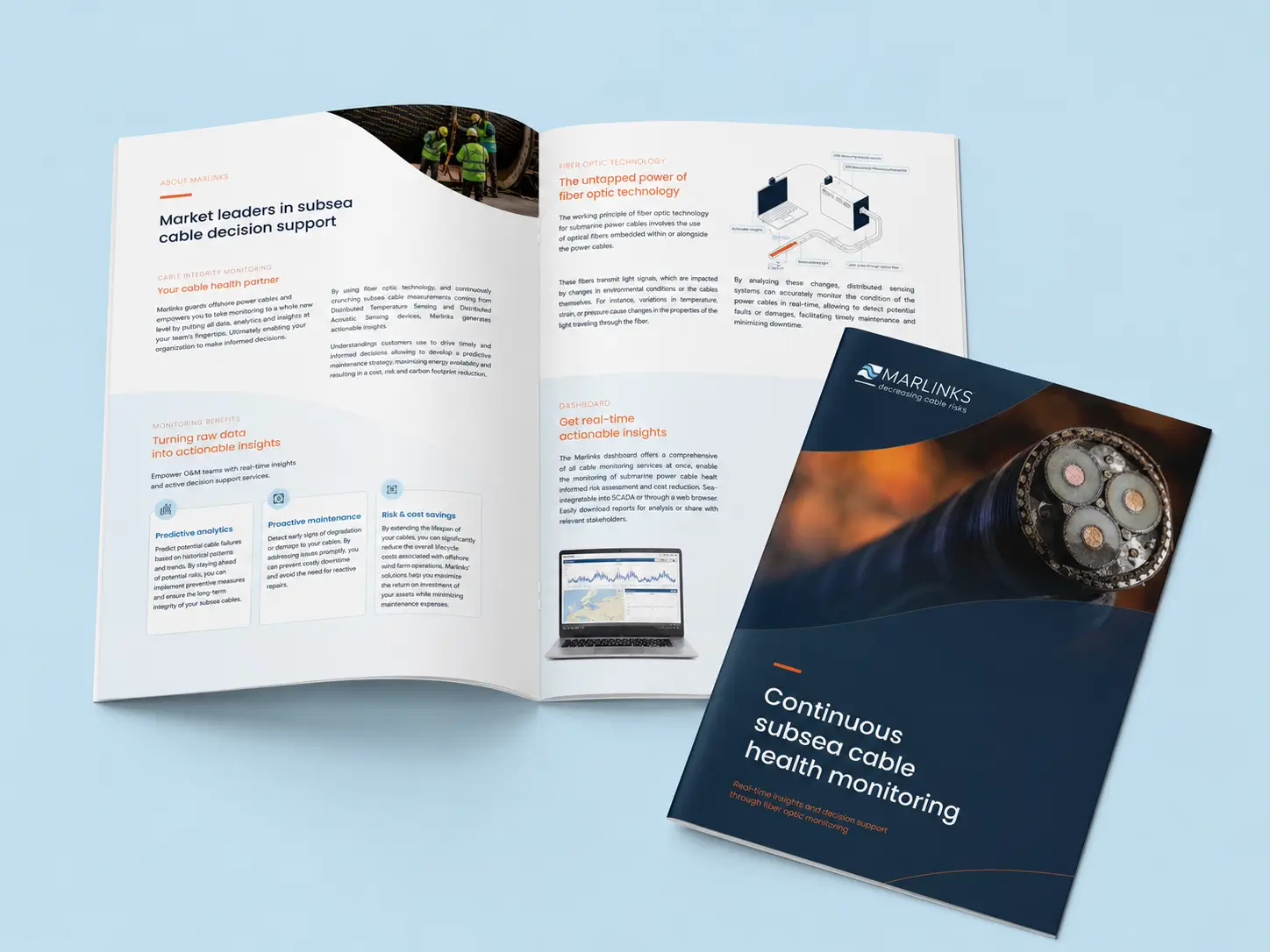
Continuous subsea cable health monitoring

Surveys have always played a central role in reducing cable risk, and they will continue to do so. However, recent industry developments show why traditional surveys alone are no longer enough to fully understand what is happening once a cable is in operation.
The fundamental challenge is that subsea cables do not usually fail suddenly. Problems develop slowly, often long before there are visible signs on the seabed.
This gradual development of risk is precisely where traditional inspection cycles can leave gaps.
Seabed surveys provide essential information about a cable’s physical condition at a specific point in time, effectively acting as detailed spot-checks along the cable route. They confirm burial depth, identify free spans, and document external damage. However, surveys are periodic by nature and are often performed only once a year, or in some cases once every five years. As a result, they provide valuable but infrequent snapshots of seabed and cable condition.
Continuous subsea cable monitoring offers a different type of insight. Instead of snapshots, it provides a continuous view of cable behavior over time.
Industry experience and analysis consistently indicate that most subsea cable failures are associated with mechanical processes rather than sudden electrical faults. Fatigue, abrasion, repeated loading, and cable movement can build incrementally and undetected until a failure eventually occurs.
This is where continuous monitoring adds value. It does not replace surveys, it complements them by directing attention to the areas where change is actually happening.
When monitoring data detects unusual strain, vibration, or movement along a section of cable, operators can focus surveys exactly where they are needed. This reduces unnecessary inspections and supports a more targeted, proactive approach to maintenance.
One of the clearest advantages of continuous subsea cable monitoring is how quickly it reveals change.
During severe offshore storm events, extreme waves and currents can rapidly alter seabed conditions and change cable tension. Such events can shift sediments or increase dynamic loading along the cable route without producing immediate visible signs on the seabed. Without continuous monitoring, these changes may only be identified months later during the next scheduled survey.
With continuous monitoring, operators know right away that conditions have changed. They can assess the situation, decide whether a targeted inspection is needed, and take action before additional stress builds up. This shift from reactive to proactive maintenance can make a significant difference to long‑term cable reliability.
Surveys remain essential, but they are most effective when supported by continuous insight. As offshore wind expands into new regions, this type of insight becomes even more valuable.
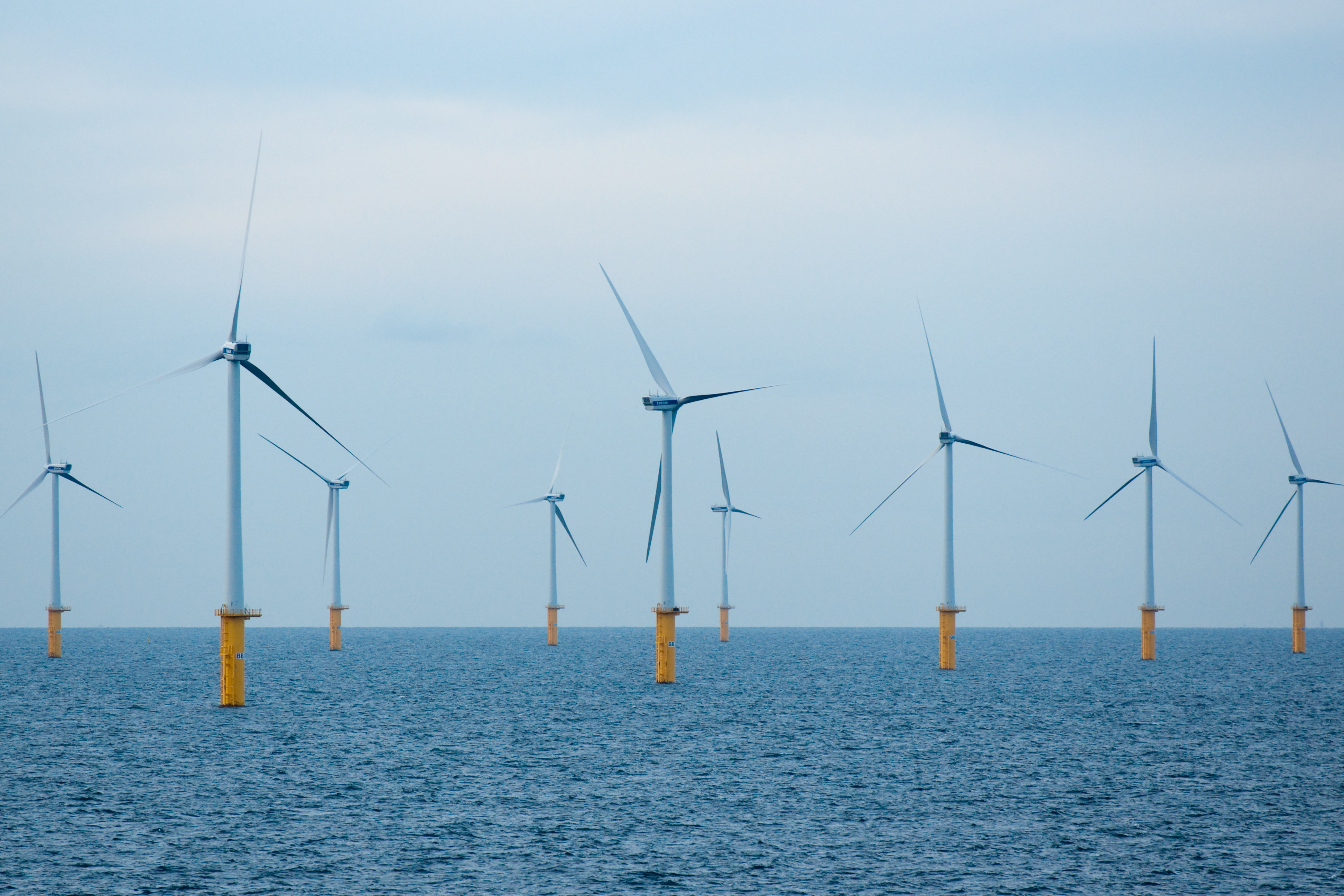
Spain is preparing to launch its first offshore wind tender, marking an important milestone for the market. While early surveys define routes and seabed characteristics, implementing continuous subsea cable monitoring from the start of operations enables real-time visibility into seabed interactions and cable behavior from day one.
In new markets, uncertainty is higher. Continuous monitoring helps reduce that uncertainty by showing how cables behave in real conditions, rather than relying only on assumptions made during the planning phase.
By providing continuous insight into how subsea cables behave over time, operators may identify where focused inspection is needed and act before measured trends become costly problems.
If you are exploring how proactive cable monitoring fits into your offshore wind project, we are always open to sharing insights and real‑world experience.
Further reading